
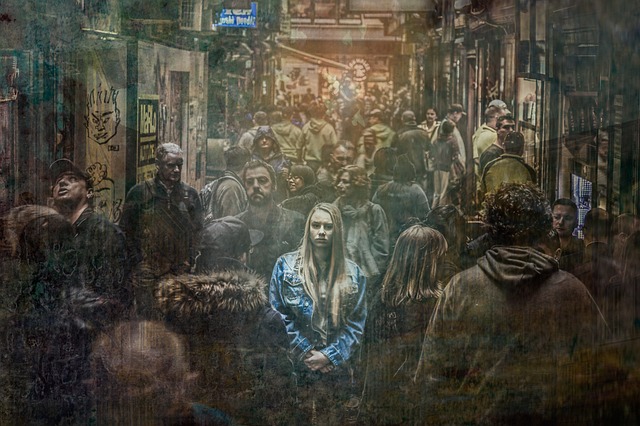

Existential anxiety is a universal experience, often emerging from our quest for meaning in a world that frequently feels chaotic and indifferent. The intersection of science and modern philosophy offers insights that can guide us through these turbulent waters. Throughout history, thinkers have sought to understand human existence and the accompanying anxiety. Today, as we confront the pressures of contemporary life, these discussions remain relevant and vital.
In the realm of science, research into psychology and neuroscience provides a framework for understanding anxiety. Scientists study the physiological responses our bodies have when faced with existential threats—be it the fear of death, loss, or the struggle for purpose. This scientific lens reveals that anxiety is not merely a mental hiccup but rather a deeply ingrained survival mechanism, shaped by our evolution as a species. Understanding the biological roots of our anxiety can help demystify our emotions and reduce the feelings of isolation that often accompany it.
On the other hand, modern philosophy encourages us to confront the uncomfortable truths of our existence. Philosophers like Jean-Paul Sartre and Simone de Beauvoir explore the concept of ‘existence precedes essence,’ suggesting that we are not defined by predetermined roles or meanings; instead, we create our own purpose. This can be both liberating and anxiety-provoking. The freedom to define oneself can lead to overwhelming choices and the daunting realization that we bear the responsibility for our own lives.
The dialogue between science and philosophy happens at a crucial juncture. Where science might dissect the physical aspects of anxiety, philosophy probes the existential weight of human freedom. Techniques such as mindfulness, informed by both scientific study and philosophical inquiry, are increasingly recognized as powerful tools to manage anxiety. Engaging with the present moment can offer a respite from the relentless cycles of worry and future-oriented thinking that often exacerbate our existential dread.
Moreover, literature often brings these themes to life, allowing readers to see their own struggles reflected in the narratives of characters facing profound questions. Works that explore the complexities of human existence resonate deeply because they tap into the shared experience of feeling adrift in an indifferent universe. Authors of existential literature invite us to embrace our fears instead of fleeing from them, demonstrating that a life fully lived, with all its uncertainties, can be rich with meaning.
As we navigate our anxiety, it becomes essential to balance the insights from science with the reflections of modern philosophy. We can appreciate the intricate dance between our biological makeup and our conscious experiences. Engaging in this discourse allows us to develop a multifaceted understanding of anxiety, empowering us to confront our own existential concerns with courage and creativity.
In this journey of exploration, embracing anxiety as a part of the human experience transforms it from a source of distress into a catalyst for growth. By understanding ourselves through both scientific and philosophical lenses, we can find meaning amidst the chaos, shape our own narratives, and participate fully in the rich tapestry of existence.