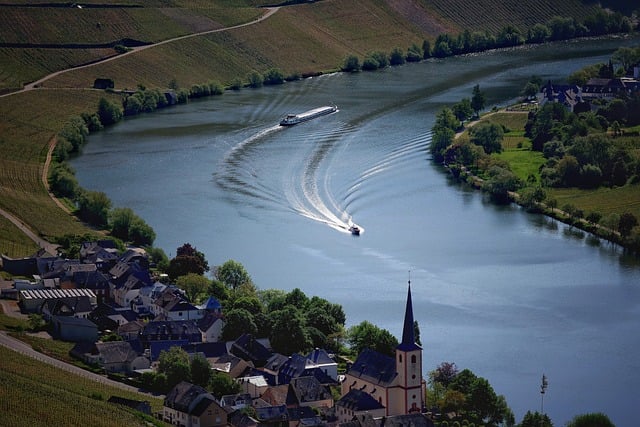

Understanding the Essence of Flow
Imagine a moment where time seems to dissipate, where the outside world fades away, and all that exists is the task at hand. This sensation, known as flow, captivates both our minds and hearts. Found at the intersection of psychology and philosophy, flow represents a state of total immersion and engagement in an activity, whether it’s painting, coding, or even deep conversations. Through the lens of phenomenology, we can explore the intricate relationship between this state of flow and our understanding of existence.
From a scientific standpoint, Mihaly Csikszentmihalyi, the pioneering psychologist who introduced the concept of flow, emphasized its impact on wellbeing and productivity. Studies reveal that individuals experiencing flow perform better and feel more content. When we break down the elements of this experience, we find that flow requires a delicate balance: clear goals, immediate feedback, and a skill set that matches the challenge at hand. As we delve deeper, it becomes apparent that it’s not solely about labor; rather, it embodies the essence of being truly alive.
Flow and Modern Philosophy
In the realm of modern philosophy, flow resonates with existentialist themes. Thinkers like Jean-Paul Sartre and Martin Heidegger grappled with notions of authenticity and being. Flow represents an authentic experience, where one’s actions align effortlessly with their inner self, urging us to ponder: what does it mean to truly exist? Within moments of flow, we transcend the mundane, enriching our lives with meaning. This connection between flow and phenomenology invites us to reconsider how we engage with our daily existence.
The experience of flow can foster profound insights into our own being. As we lose ourselves in activities that demand not just physical skill, but also emotional and cognitive investment, we encounter a deeper understanding of ourselves. Phenomenologically, flow encourages a heightened awareness of our intentions and desires, melding the subjective experience with our outer actions. In this blend, we discover not only who we are, but also who we aspire to become.
Flow in Everyday Life
Implementing flow into our daily routines reinforces its significance. Whether through meditation, art, sports, or engaging conversations, we can cultivate conditions that foster this powerful state. The pandemic has reignited a collective yearning for meaningful experiences; thus, understanding flow can guide us toward practices that promote engagement in a fragmented world. How can we create environments that nurture this profound state? It’s clear that flow is not merely a personal endeavor; it’s a communal one, inviting shared experiences and connections.
In navigating our complex realities, embracing the flow becomes a conscious choice—a step towards enriching our lives. This approach seamlessly merges science and modern philosophy, reinforcing the importance of our subjective experiences in the broader context of existence. When we reflect on our moments of flow, we not only appreciate their beauty but also recognize their potential to transform our understanding of life itself.