
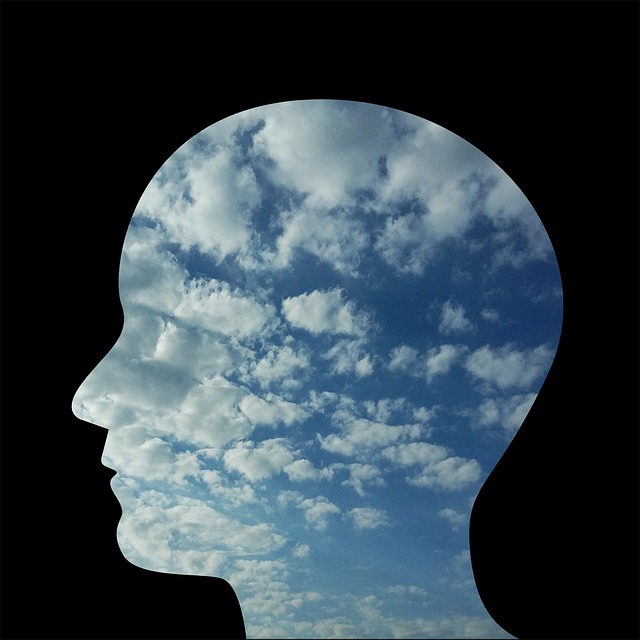

The modern age, characterized by rapid advancements in science and technology, has ushered in an era rife with mental confusion. As we navigate through an ocean of information, the fundamental questions posed by philosophers from eras past seem more pertinent than ever. How do we find meaning amidst the chaos? What does it mean to exist in a world dominated by empirical knowledge and scientific inquiry? These questions resonate deeply within the realm of egzisztencializmus, or existentialism, where the individual grapples with their essence in a world that feels increasingly detached from subjective human experience.
Science, with its promise of clarity and understanding, often stands in stark contrast to the murky waters of existential thought. The scientific method, with its objective lens, seeks to simplify the complexities of our reality. It provides us with tangible results and measurable truths, yet it often overlooks the profound aspects of human existence that cannot be quantified. This dissonance can lead to a profound sense of mental confusion, as we find ourselves caught between empirical evidence and our subjective experiences, feelings, and emotions.
Modern philosophers have responded to this tension by re-examining the role of science in understanding the human condition. Existentialists like Jean-Paul Sartre and Simone de Beauvoir highlighted the importance of personal choice, freedom, and the inherent absurdity of life. Their works serve as a reminder that while science may provide us with answers to the ‘how’ of existence, it is through existential inquiry that we glean insight into the ‘why.’ This intersection invites us to embrace our mental confusion as a catalyst for deeper reflection, rather than a barrier to understanding.
As modern society grapples with existential questions amplified by scientific advancements, we are faced with a unique opportunity to explore our mental landscapes. How do we balance the rationality of scientific inquiry with the emotional truth of human experience? Many scholars argue that rather than dismissing feelings of mental confusion, we should view them as invitations for introspection. This process can lead us to richer understandings of ourselves and our place within the universe.
Moreover, in a world where the pace of life can often seem overwhelming, the lens of egzisztencializmus allows us to confront our fears and uncertainties head-on. Science may offer us the tools to comprehend our environment, but it is the insights from existential thought that empower us to engage with our own narratives. As we reflect on our existence, we navigate through the fog of mental confusion and find pathways to authenticity and self-definition.
To truly appreciate the fusion of science with modern philosophy, one must embrace the complexities that arise from their interaction. The existentialist view encourages an acceptance of uncertainty as part of the human experience. By allowing ourselves to dwell in this mental confusion, we open ourselves to the possibility of growth and self-discovery. It is through the struggles inherent in our existential dilemmas that we find meaning, purpose, and ultimately, clarity.